

Offshore Fishing in the Gulf of Mexico
Introduction
Offshore fishing in the Gulf of Mexico offers a thrilling experience for anglers of all skill levels. Known for its diverse marine life, the Gulf is a prime destination for sport fishing, drawing enthusiasts from around the world. This document provides an overview of the best practices, popular fish species, recommended gear, and essential tips for a successful offshore fishing adventure in the Gulf of Mexico.
Popular Fish Species
The Gulf of Mexico is home to a variety of prized fish species that attract anglers year-round. Some of the most sought-after species include:
1. Red Snapper
- Season: June to July, with specific dates set by regulations.
- Characteristics: Known for their vibrant red color and mild, flaky flesh, Red Snappers are a favorite among anglers.
- Habitat: Found near reefs, oil rigs, and underwater structures.
2. Mahi-Mahi (Dolphinfish)
- Season: Year-round, with peaks in summer.
- Characteristics: Recognized by their bright green, blue, and yellow colors, Mahi-Mahi are known for their acrobatic fights.
- Habitat: Open waters, often found near floating debris or sargassum.
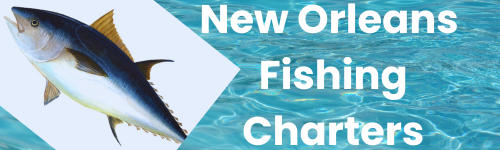
3. Tuna (Yellowfin and Blackfin)
- Season: Year-round, with peaks in late summer to fall.
- Characteristics: Valued for their strength and speed, as well as their delicious meat.
- Habitat: Deep waters, often near oil rigs and drop-offs.
4. Marlin (Blue and White)
- Season: Spring to fall.
- Characteristics: Known for their size and powerful fights, Marlin are a prized catch for sport anglers.
- Habitat: Deep, open waters.
5. Grouper
- Season: Year-round, with some species having specific seasons.
- Characteristics: Large, bottom-dwelling fish known for their strength and excellent taste.
- Habitat: Rocky bottoms, reefs, and underwater structures.
Recommended Gear
Fishing offshore in the Gulf of Mexico requires specialized gear to handle the challenging conditions and large fish species. Essential gear includes:
- Rods and Reels: Heavy-duty rods and reels with high line capacity and strength. Conventional and spinning setups are both used, depending on the target species.
- Line: Braided line is preferred for its strength and sensitivity, with a monofilament or fluorocarbon leader to reduce visibility.
- Hooks and Lures: Circle hooks are often required by regulations to reduce bycatch mortality. Lures such as jigs, poppers, and trolling baits are commonly used.
- Safety Equipment: Life jackets, first aid kits, and emergency signaling devices are crucial for safety on the water.
Best Practices
1. Plan Ahead
- Research Regulations: Stay updated on the latest fishing regulations, including seasons, bag limits, and size limits for different species.
- Check Weather Conditions: Offshore fishing can be affected by weather, so check forecasts and be prepared for changing conditions.
2. Hire a Guide
- Local Expertise: Consider hiring a local charter or guide who knows the best spots and techniques for targeting specific species.
3. Use the Right Bait
- Live Bait: Using live bait such as squid, shrimp, or small fish can be highly effective for many species.
- Artificial Lures: Trolling with artificial lures can cover more water and attract a variety of fish.
4. Practice Conservation
- Catch and Release: Practice catch and release for non-target species and undersized fish to help maintain healthy fish populations.
- Respect Bag Limits: Adhere to bag limits to ensure sustainable fishing practices.
Tips for a Successful Trip
- Early Start: Start your trip early in the morning when fish are most active.
- Watch for Birds: Look for seabirds diving into the water, indicating schools of baitfish and larger predators below.
- Stay Hydrated: Bring plenty of water and stay hydrated, especially in the hot Gulf sun.
- Keep Tackle Organized: Keep your tackle box organized and easily accessible to quickly change setups as needed.
Conclusion
Offshore fishing in the Gulf of Mexico offers an unforgettable adventure with the potential for spectacular catches. By understanding the local fish species, using the right gear, and following best practices, you can enhance your chances of a successful and enjoyable fishing trip. Remember to prioritize safety and conservation to help preserve this incredible fishery for future generations. Tight lines!